Magazine
Essay Series “Walking Now” MISHIMAGAZINE #5 – Meeting an Eastern European Stranger in a Tropical Metropolis
The original text was written in Japanese for MISHIMAGAZINE in July 2016. This post is an English translation and republication of the original article.
Photography by KLEINSTEIN
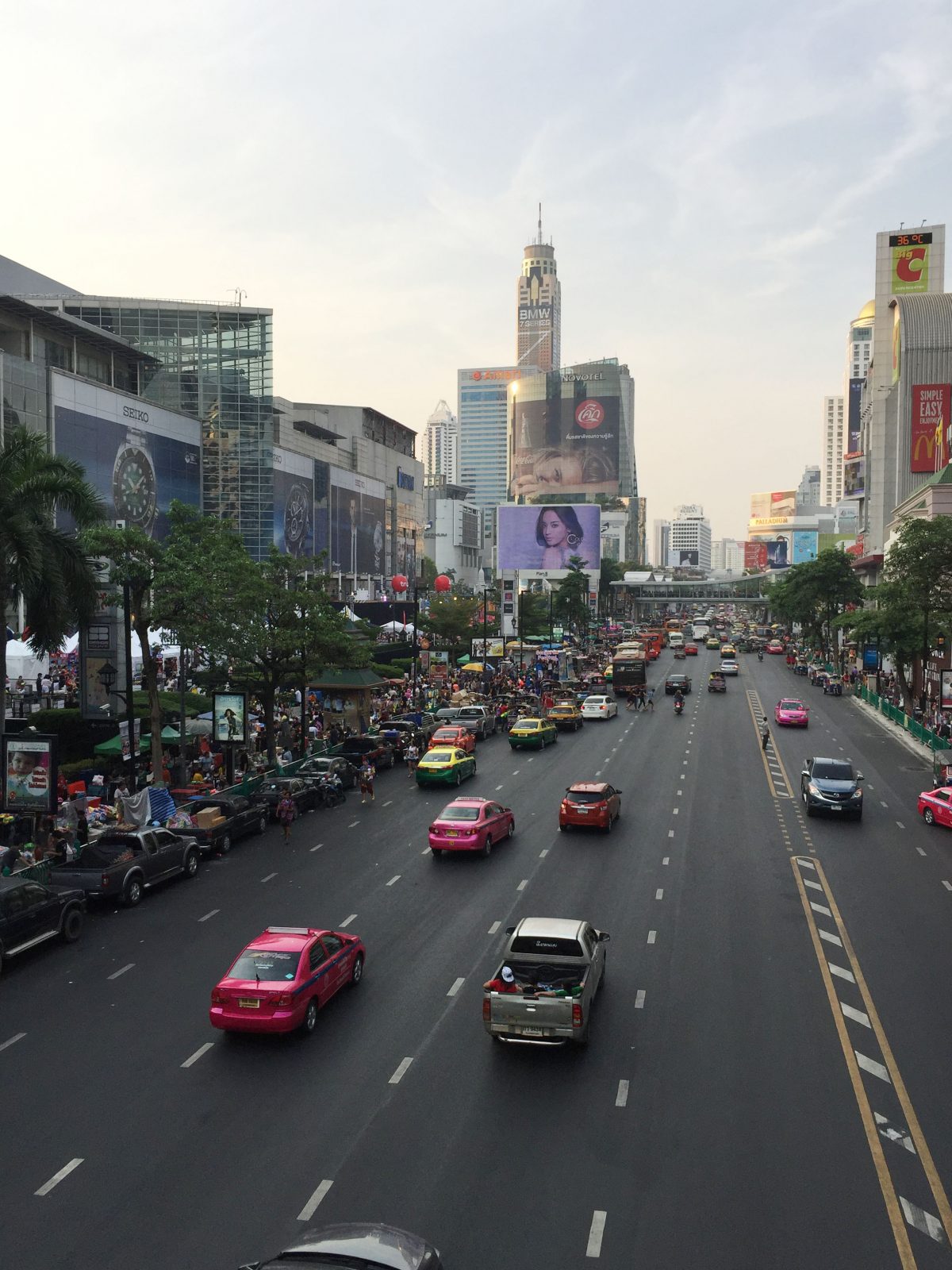
When I landed at Bangkok’s Suvarnabhumi Airport, the damp air slipped between my shirt and my skin. The cold air from the air-conditioning vents was overwhelmed by humidity, and the airport felt like the interior of a heated swimming pool.
At immigration, when I tried to fill in the card for customs, every ballpoint pen lined up on the counter before me was either out of ink or broken. As I dug into the bottom of my bag in search of my own pen, I suddenly thought that this “minor inconvenience” was proof that I had arrived in a foreign country.
In early April, I received an email from a client, I, who lives in Eastern Europe.
He asked whether we could cancel the meeting planned for Tokyo and instead change the location to Bangkok, Thailand. Seven hours from Europe to Thailand, then another six hours to Tokyo: about thirteen hours in total. Since he would already be in Bangkok for work for three days, it seemed he was becoming reluctant to spend another six hours getting to Tokyo. That, apparently, was the reason.
Put bluntly, it was a slightly unreasonable request: “It is too much trouble for me to go there, so please come here.” Yet as I exchanged messages with him, I gradually began to feel curious about walking through a city I had never visited. When I told him I had never been to Thailand, he insisted, “Then you will surely like it here. You should come at least once.” Since the occasion had presented itself, I decided to bring my wife and go to Bangkok.
I had known I for about three years.
At the time, I was involved in planning shoes. I happened to find the shoe factory he owned on the internet and contacted him directly. Eastern Europe is a region of shoe production, and I had long wanted to go there.
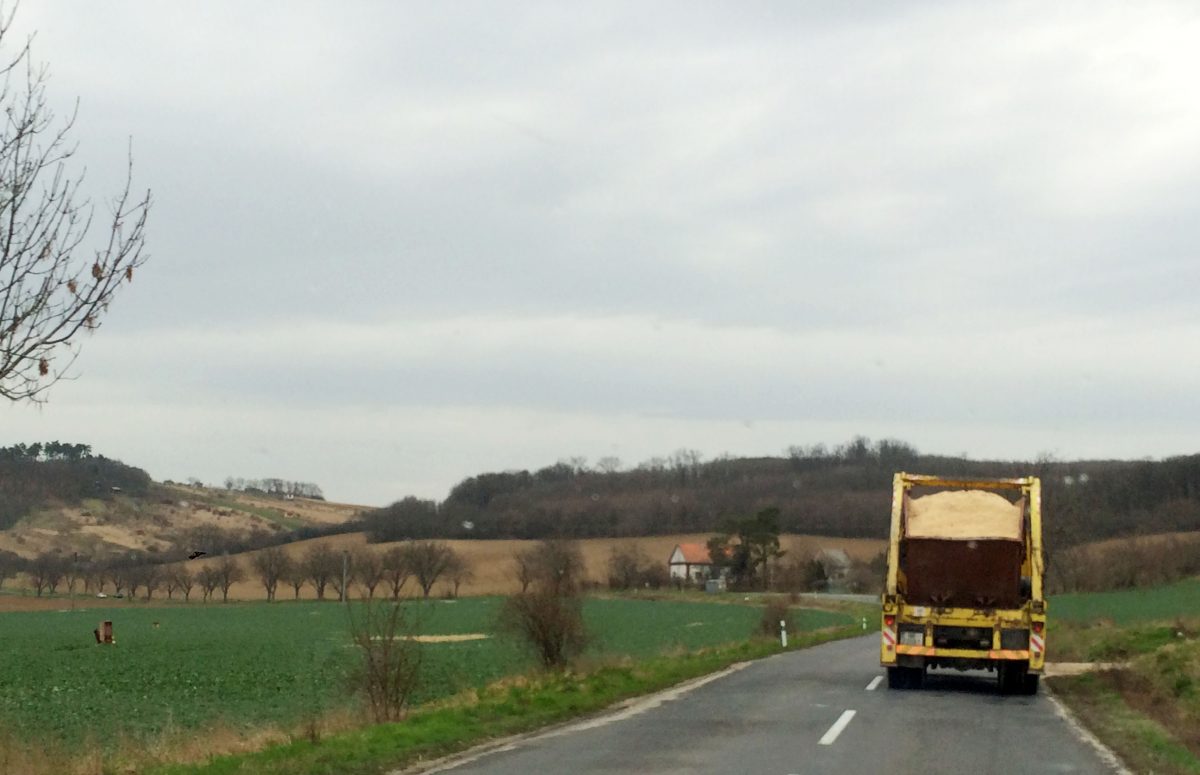
I actually met him about six months later, in March, when it was still cold. Our first meeting place was the parking lot of a lonely gas station standing in the open fields of the former communist sphere. I’s atmosphere was very different from the image of a factory owner. Standing beside a large black car, he looked slightly like a politician.
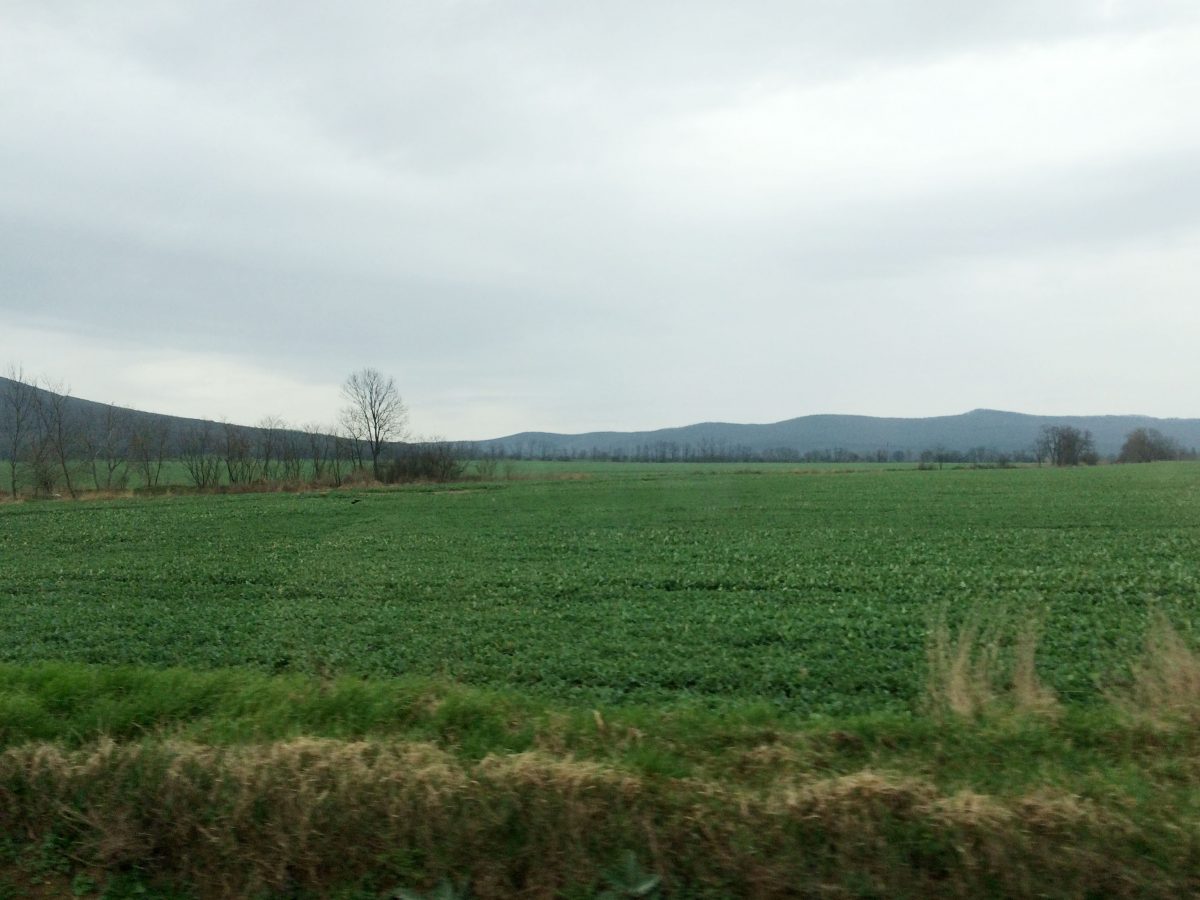
The road from the gas station to his factory was about two and a half hours by car. Watching the chilly scenery of provincial cities drift past the windshield, we gradually began to talk. I remember clearly how, along the way, the landscape of my native Tohoku flashed back to me.
During the long journey with I, the conversation began with work, passed through film and literature, and after the harmless topics were exhausted, turned to upbringing and history.
When he was a student, his country was still under a socialist system. For someone like me, who has almost no memory even of the Cold War, it is an unimaginable world. “It was a very stressful society,” he said, and no more than that at first. As I listened, I learned that he had originally been an investment banker. He launched one of the country’s first internet portal media companies, acquired a newspaper, and became deeply involved in politics. He had the air of a merchant-politician. The shoe business was only one part of his portfolio, but he liked making things and seemed to be working on it actively.
He became an investor after meeting a Jewish-American investor during an internship at an embassy when he was a student.

Working in fashion gives one opportunities to work with people from many countries and with people who have unusual backgrounds. For me, encounters with people from the former communist bloc, Russia, Israel, South Africa, and countries in Southeast Asia, people who have lived through social convulsions such as the collapse of systems and repeated conflicts after the war, have become an invaluable asset.
“Do not talk about politics or religion” seems to be a basic rule shared around the world.
But even this strong medicine depends on how it is used. Wit around delicate subjects can work positively more often than one might expect. This is only a personal impression, but older people from countries that have known much hardship often possess their own sense of the market price of society, and they tend to measure another person’s intelligence through conversations about politics.
When someone like me works with a foreigner two generations older, a relationship built by avoiding delicate subjects like swollen wounds may be less durable than one built by once opening the stomach, digesting difficult topics, and establishing trust. The conversations that became lively with I were about the division of East and West and Japan’s Boshin War. For the two of us, being born on the periphery, Eastern Europe and Tohoku, became a point of contact.
When we arrived at the hotel in central Bangkok, I was leaning back on a lounge sofa in a T-shirt, staring at his laptop screen with a frown between his brows.
“It seems we have come at a strange time.”
At first I did not understand what he meant. Apparently, we had arrived exactly during the Thai New Year, and the water festival, Songkran, was taking place throughout the city. It was also, it seems, the hottest period of the year.
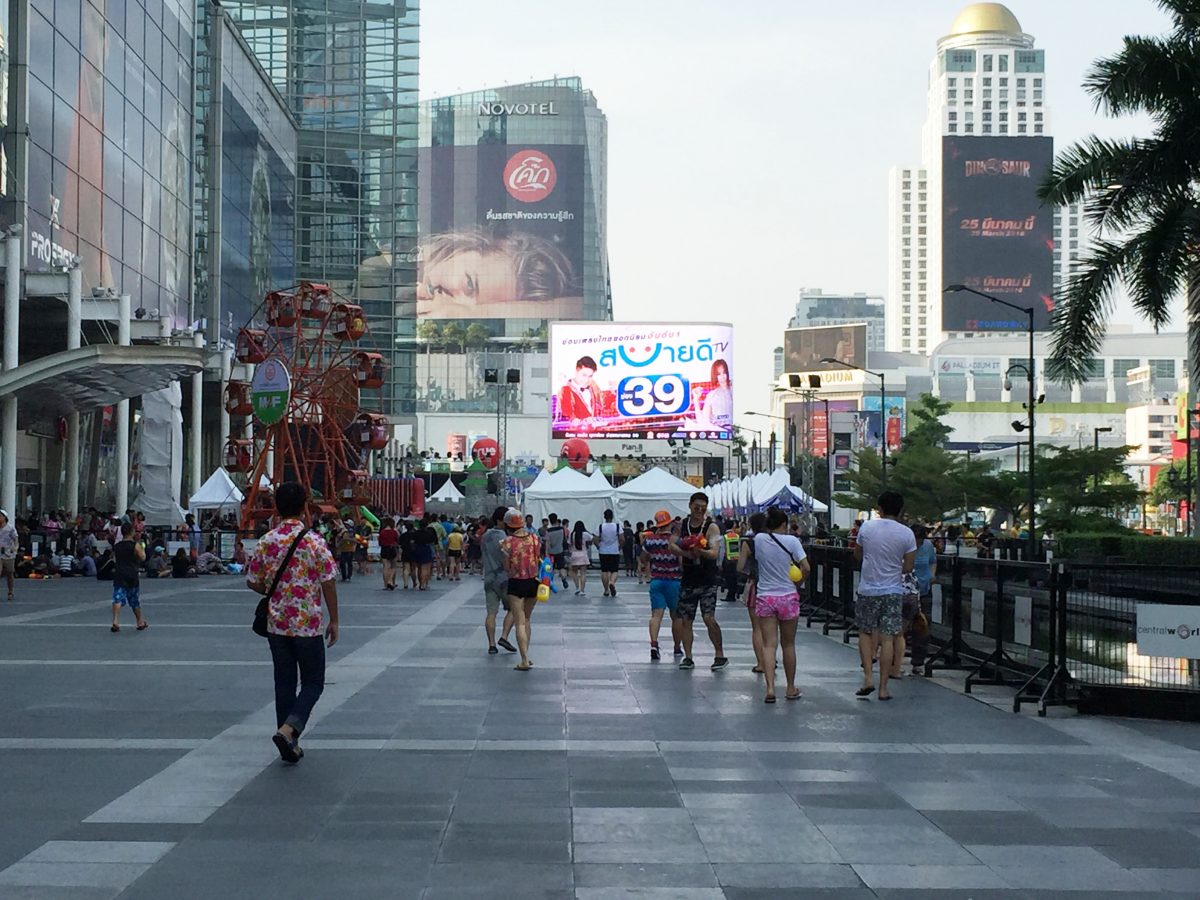
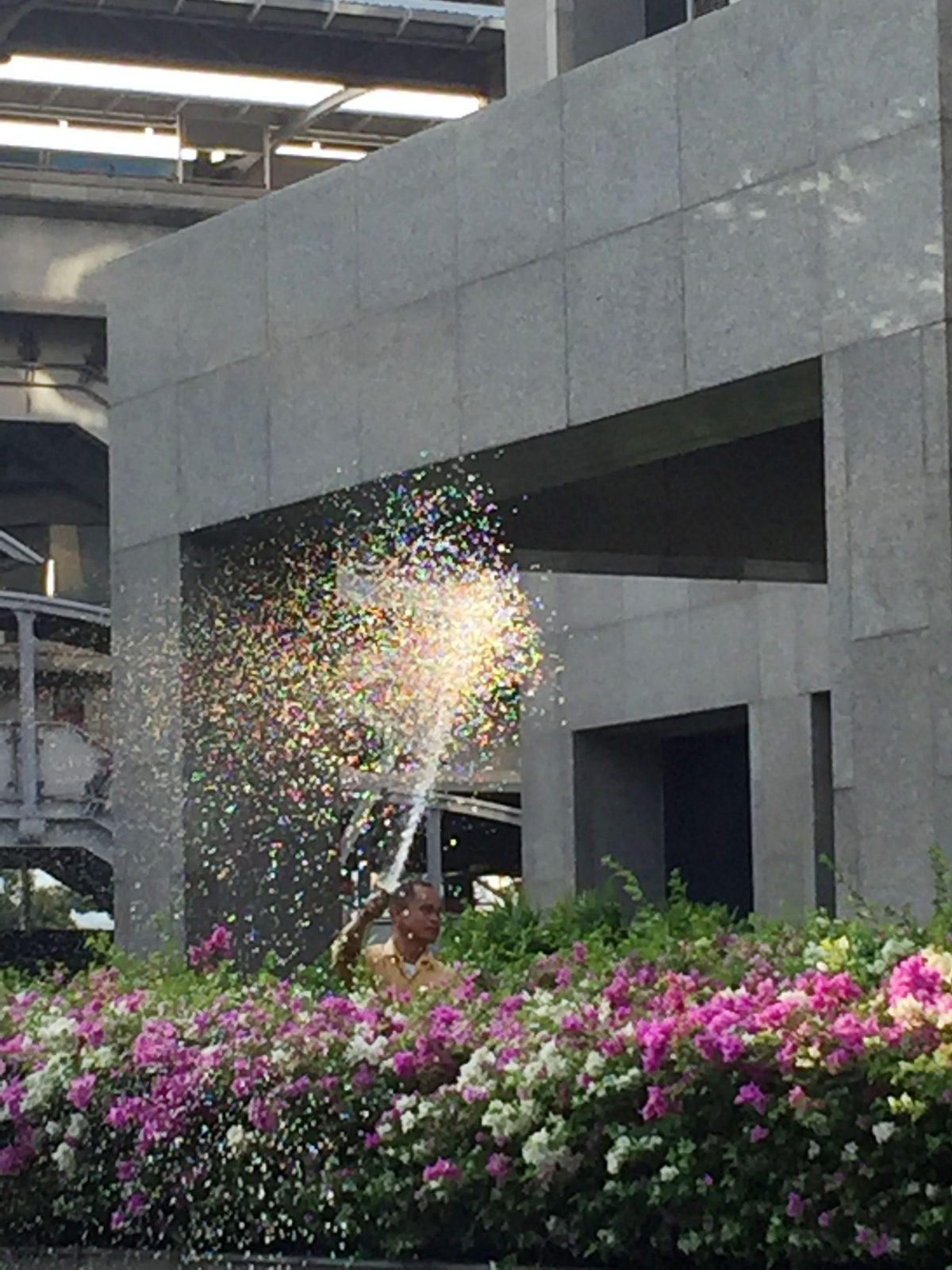
To make matters worse, the planned meeting with the Bangkok agent was canceled due to their circumstances. So during our stay, we decided to exchange information with Thai friends and research the city as a group of three. Research, in this case, meant being shot at with water guns by people on the street, then chilled by the air conditioning in hotels and shops, again and again. It became a kind of summer-vacation walk that reminded me of childhood. Thinking of the gap between this and the night three years earlier when I walked with I through a cold Eastern European town discussing politics and history, I found it strangely comic and could not help laughing. Those three days in the tropical metropolis of Bangkok, receiving an intense initiation as “foreigners from the countryside,” have become a spring memory.